
2025 Home Energy Rebates, Explained: What’s Actually Available (and How to Stack It With Tax Credits)
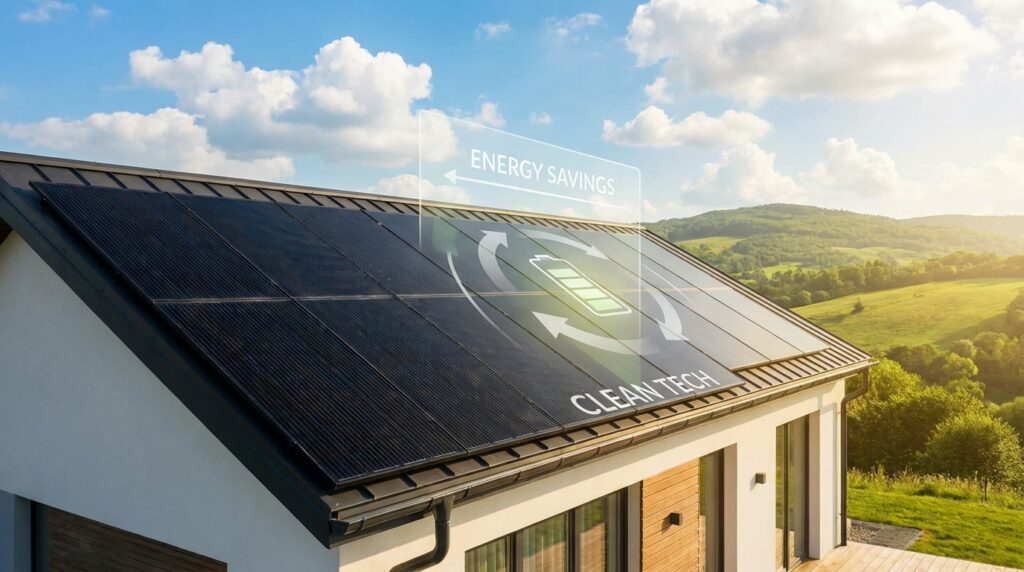
As a US homeowner or landlord planning upgrades in the next few months, understanding the evolving landscape of home energy rebates in 2025 is crucial. This guide will help you navigate state-run programs, discover eligible upgrades, and maximize your savings by stacking these rebates with federal tax credits.
What’s New in the 2025 Rebate Landscape (and Why Homeowners Are Confused)
The introduction of two major programs—HEAR (Home Electrification and Appliance Rebates) and HOMES (Home Owner Managing Energy Savings)—has left many homeowners puzzled. Unlike a single national initiative, these programs vary significantly from state to state. Availability, limits, and income-based parameters may differ, requiring careful planning and understanding of your state’s specific offerings.
How Much Money Can You Get in 2025—and for Which Upgrades?
Key upgrades that offer high returns on investment include heat pumps, heat pump water heaters, insulation, air sealing, and induction cooktops. These improvements enhance comfort, reduce utility bills, and increase resilience. Remember that “up to” amounts can vary based on household income, project requirements, and state-specific caps.
The Critical Move: Stack State Rebates with the Federal Energy Efficient Home Improvement Credit (25C)
The 25C tax credit provides a 30% reduction on qualifying improvements, up to $3,200 annually. By combining state rebates, which lower upfront costs, with federal credits that decrease tax liability, homeowners can achieve significant savings. Keep invoices, product specifications, and contractor certifications handy to ensure you meet all documentation requirements.
Can You Claim Rebates Retroactively? (Yes—Sometimes.)
Retroactive eligibility exists for projects started on or after August 16, 2022, subject to state-specific rules. Homeowners should gather permits, model numbers, and pre- and post-installation details to qualify. Avoid pitfalls by understanding state requirements before commencing any work.
A 10-Minute Playbook: How to Check Your State, Pick an Upgrade, and Move Fast
Follow these steps to maximize your rebate benefits:
- Visit your state energy office program page and look for utility rebates.
- Conduct a quick energy audit and consider low-cost DIY checks to pre-qualify your home.
- Hire contractors familiar with rebate processes to avoid unnecessary delays.
FAQ: Timing, Income Rules, Renters/Landlords, and Common Myths
Here are answers to some common questions:
- Do renters qualify? Often indirectly through multifamily or landlord participation.
- Are rebates first-come, first-served? It depends on the design of your state program.
- Is electrification always cheaper? Not necessarily—cost-effectiveness varies by energy rates, home envelope, and equipment.