Why DMV Homeowners Are Going Solar in 2026: Rising AI Power Demand, Higher Utility Bills, and the Incentives Many Families Still Miss
Why electricity costs in the DMV are suddenly a bigger homeowner issue
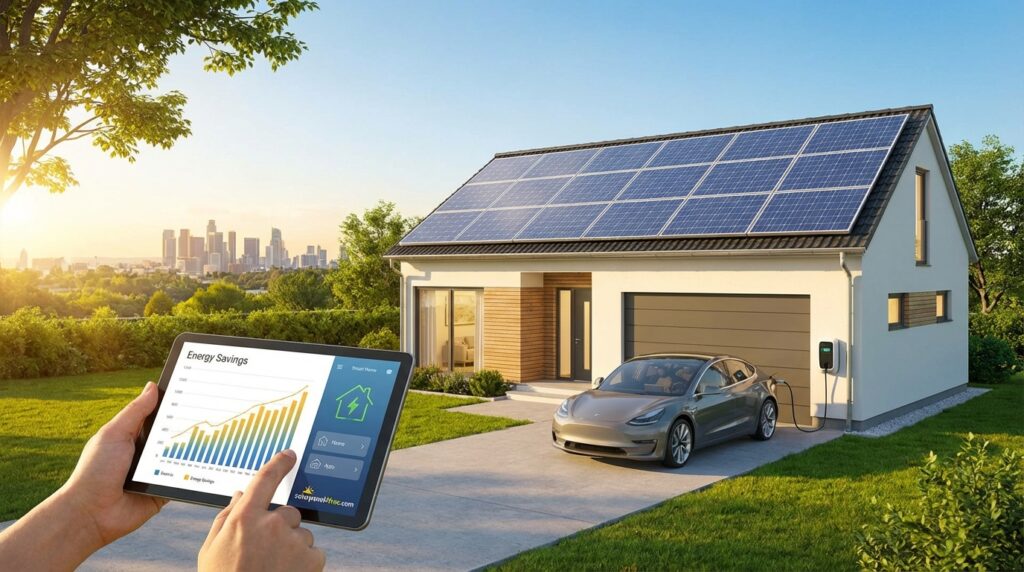
AI and data center growth are significantly increasing regional electricity demand, especially in Northern Virginia and the DC region. This surge places immense pressure on the grid, leading to higher bills and amplifying concerns about reliability. For homeowners, it creates a sense of urgency to manage energy costs. Solar energy is emerging as a viable hedge against this volatility, offering more than just an environmental upgrade.
What solar incentives are available in Maryland, DC, and Virginia in 2026?
Maryland residents can benefit from programs like the Maryland Solar Access Program, federal tax credit eligibility, and SREC opportunities. In DC, qualifying households can take advantage of Solar for All, coupled with the strong appeal of local solar economics. Virginia offers net metering, utility-specific programs, and income-qualifying solar options for those who meet the criteria.
How to tell if your roof is actually a good fit for solar
Several factors determine if your roof is suitable for solar panels, such as its age, shade, orientation, and structural condition. It’s essential to consider whether repairing or replacing the roof makes sense before installation. A free assessment is crucial to ensure that solar energy is a good fit for your home. Not every house qualifies, and a transparent evaluation process is key to making an informed decision.
The biggest solar scam red flags homeowners in the DMV should watch for
Be wary of misleading ‘free solar’ claims, high-pressure sales tactics, fake urgency, and unclear financing terms. Compare offers, verify installer credentials, and ask questions about ownership, savings, and maintenance. Transparency is the differentiator that builds trust.
What kind of ROI can a homeowner realistically expect?
Various factors shape the payback period, including utility rates, system size, incentives, roof quality, financing method, and consumption patterns. Set realistic expectations instead of accepting one-size-fits-all savings promises. Homeowners who benefit most often have high energy usage, strong sun exposure, and long-term plans to stay in their homes.
Should you go solar now or wait?
Waiting could mean paying higher utility costs and missing current incentives. However, timing also depends on roof condition, ownership horizon, and how well your home qualifies. A consultation offers low-risk, personalized answers.
Get a free solar consultation before utility costs climb again
Check if your home qualifies for solar and available local incentives. Visit SolarPanel4Free’s qualification page for a consultation. Understanding savings potential, roof suitability, and program eligibility can guide your decision before making any commitments.
#Solarpanel4free #DMVSolarIncentives2026 #GoSolar #HomeEnergySavings