
Is Your Roof Too Old for Solar in Maryland, DC, or Virginia?
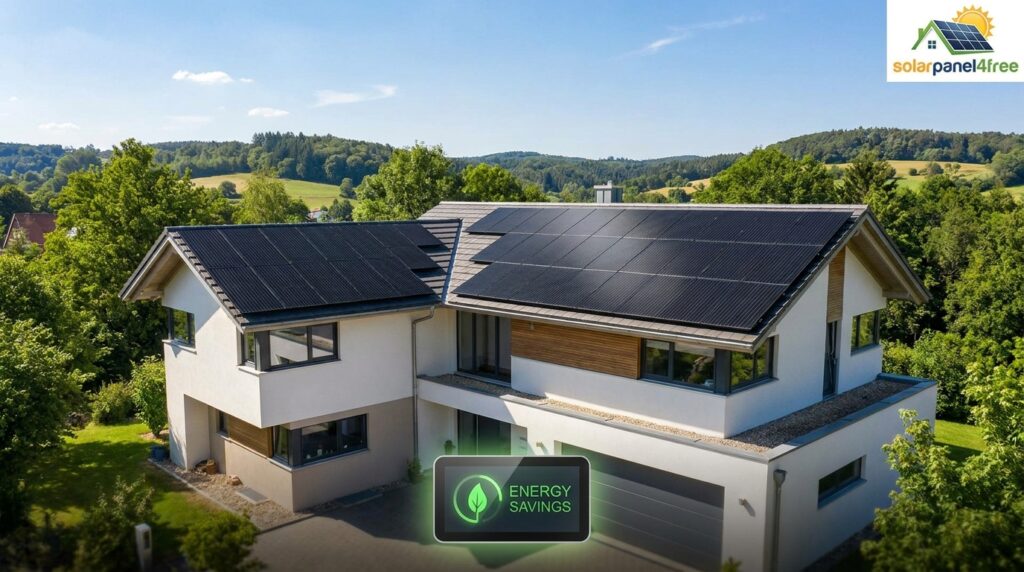
Learn how to check roof condition, avoid scams, and maximize ROI in 2026.
Why Roof Condition Is the First Question DMV Homeowners Should Ask Before Going Solar
With rising electricity costs and grid instability, more homeowners are turning to solar. However, the age and structural condition of your roof can make or break your solar project. Focusing on roof readiness rather than just chasing the lowest quote is a smarter, more sustainable approach.
How to Tell If Your Roof Is Too Old for Solar
Watch for warning signs like curling shingles, leaks, sagging, soft spots, or a roof nearing the end of its lifespan. These factors impact solar payback and the costs associated with panel removal and reinstallation. Familiarize yourself with the common roof types in Maryland, DC, and Virginia to understand what installers look for.
The Hidden Cost of Installing Solar on the Wrong Roof
Installing solar on a weak roof can become costly over time. If you need to reroof after installation, the costs of panel removal and reinstallation can significantly reduce your ROI. A cheap installation might seem attractive initially but could become more expensive long-term.
How Solar Scams Show Up When Homeowners Are Worried About Energy Bills
Watch for red flags such as pressure tactics, vague savings claims, fake urgency, and no roof inspection. Scammers often target homeowners feeling rushed by rising utility rates. Be proactive with a checklist of questions before signing any agreements.
Maryland, DC, and Virginia Incentives That Can Improve Solar ROI in 2026
Local and state-level incentives, SRECs, tax credits, and utility programs can significantly impact solar ROI. Stacking these incentives, even if roof work is necessary, can improve your payback. Always verify eligibility based on your location, utility, and home type.
When It Makes Sense to Reroof Before Solar
In certain scenarios, reroofing before installing solar protects your long-term savings. Combining roof replacement planning with solar installation can reduce future disruption, encouraging homeowners to think in 20- to 25-year ownership terms instead of focusing on upfront costs alone.
A Simple Solar Readiness Checklist for DMV Homeowners
- Assess roof age
- Check for shading
- Review electric bill trends
- Consider your ownership timeline
- Verify installer credibility
This checklist serves as an actionable tool before consulting, stressing that a successful project begins with an honest site assessment.
Next Step: Get a Solar Consultation Before You Commit
Consider a professional solar consultation to review roof condition, explore incentives, and assess savings potential. This is a low-pressure way to avoid scams and unsuitable installations. Get started with the SolarPanel4Free qualification page.
#Solarpanel4free #SolarEnergy #DMVSolar #GreenEnergy #SolarSavings