
How Nanoparticle Solar Smart Windows from CES 2026 Could Transform Home Energy Savings
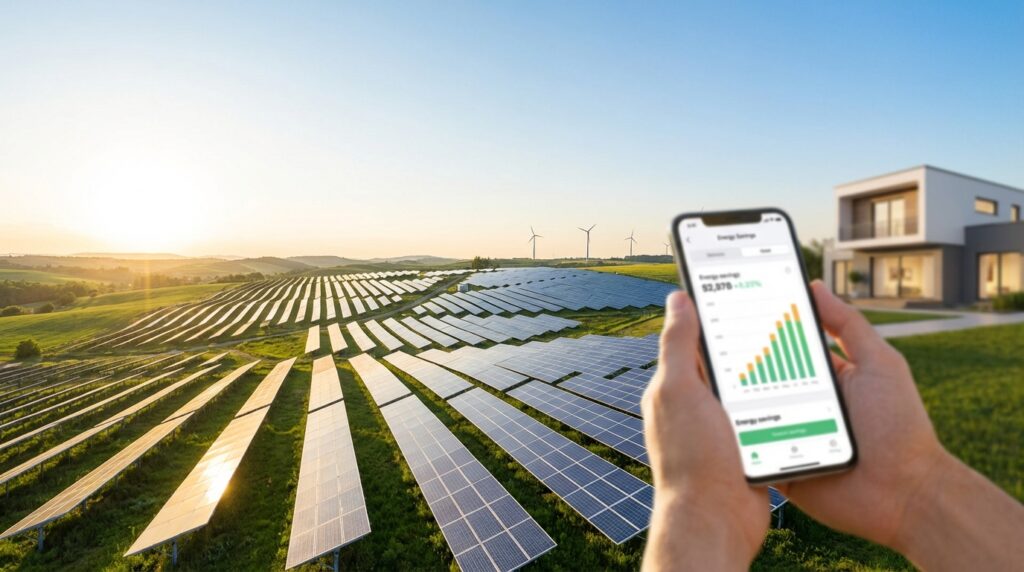
CES 2026 introduced nanoparticle solar smart windows—solar-generating glass that blends energy savings with modern design. This post breaks down how they work, their real-world benefits, and what homeowners should know.
What Are Nanoparticle Solar Smart Windows?
Nanoparticle solar smart windows integrate solar-generating nanoparticles into the glazing, offering a transparent yet energy-efficient solution. At CES 2026, these windows were highlighted for their transparency, energy generation capabilities, and design appeal. Compared to traditional solar panels and regular windows, they offer a unique combination of functionality and aesthetics.
Why They Matter for Home Energy Savings
These windows have the potential to reduce heating, cooling, and lighting costs by generating on-site power. Their seamless integration into architecture makes them appealing for both retrofits and new constructions, combining form and function effortlessly.
Insights from CES 2026: What the Lifewire Editors Highlighted
Recognized as standout products at CES 2026, nanoparticle solar smart windows were praised for sustainability, practicality, and discreet integration. This aligns with homeowner priorities and indicates strong future market interest and acceptance.
Real-World Performance and Savings Potential
The energy generation estimates for these smart windows show promising efficiency gains in heating and cooling compared to traditional solar panels. Considerations include upfront costs, ROI, and long-term benefits. Broader trends support this technology, such as the growth in smart glass, heat pump adoption, and smart home integration.
How Homeowners Can Prepare Now
Homeowners should monitor product release timelines and pilot programs, determine fit for different home types and climates, and explore combined upgrades like insulation, smart home energy systems, and energy rebates or incentives such as those from the U.S. Inflation Reduction Act.
Looking Ahead: Smart Glass and the Future of Home Efficiency
Smart tinting, integrated shading, and dynamic energy optimization are potential features of future smart glass. As part of comprehensive home energy strategies—including solar, storage, and AI systems—they can facilitate homes that generate, manage, and save energy with minimal effort.
#Solarpanel4free #SmartHome #CES2026 #EnergyEfficiency #HomeRenovation